.svg)

How Life Insurance Agents Use AI to Place More Policies
Master AI tools for life insurance: learn to use lead scoring, automated follow-up, and more.


How Life Insurance Agents Use AI to Place More Policies
Sales reps who respond to a prospect within 5 minutes are 100 times more likely to connect than those who wait 30.
For life insurance agents working AI sales workflows, hitting that window manually is nearly impossible when you're juggling multiple lead sources and an open pipeline at the same time. Agents who close that gap will have faster, more organized processes than their competition.
This guide covers five specific ways insurance sales automation places more policies, the best AI tools for life insurance agents, and what compliance guardrails apply.
Key Takeaways
- The follow-up gap between first contact and second touchpoint is where most life insurance sales are won or lost.
- AI delivers the most value when it handles the mechanical work, including lead response, follow-up cadence, discovery documentation, and form completion.
- The discovery conversation is where the sale is decided. AI tools that capture what clients say in that meeting deliver the highest return for most agents.
Where Most Life Insurance Sales are Actually Lost
Most agents invest heavily in lead generation through ads, lists, and referral events. But here’s where sales are actually lost, something that you may be ignoring:
- Speed to first contact. Leads go cold fast. The agent who responds first wins a disproportionate share of the pipeline.
- Follow-up drop-off. Most agents stop after two or three touches. Don’t stop yet, because you may be able to close sales after five to eight.
- Post-meeting execution. Discovery calls are unstructured. Create formatted meeting notes to reduce NIGO (Not In Good Order) submissions, speed up underwriting, and get more policies issued.
5 Ways AI Helps Life Insurance Agents Place More Policies
Insurance sales automation addresses all of these. These five applications of AI target the specific failure points above:
1. Instant Lead Response and Qualification
When a prospect submits an inquiry through a website form, an aggregator like EverQuote, or a social campaign, an AI-powered CRM workflow can trigger an immediate personalized response and a scheduling link, regardless of whether you're available.
Before you pick up the phone, AI already identifies high-intent life insurance prospects using AI-powered lead scoring and behavioral signals for you, gathering qualifying information through automated SMS or email. This may include the coverage type, timeline, budget, and basic health considerations. You enter the first call already knowing the context.
AI also predicts which prospects are most likely to convert based on behavioral and demographic signals, so you work the highest-value leads first. More than that, it automates appointment scheduling to eliminate back-and-forth friction. It also triggers instant automated follow-up at the point of inquiry, keeping you ahead of every competing agent still manually dialing.
Note: Outbound AI-assisted texting and calling are subject to TCPA regulations. Make sure to have an opt-out option before you launch any automated outreach.
2. Automated Multi-Touch Follow-Up Sequences
Platforms like AgencyZoom, Salesforce Financial Services Cloud, and ActiveCampaign automate personalized follow-up sequences to nurture prospects across the full sales cycle.
Say a quote was opened and went unanswered, or a proposal has been idle for three days. The system manages the cadence and flags you when human attention is actually needed. This enables you to handle higher prospect volumes while maintaining personalized engagement and, in turn, improve closing rates.
3. Discovery Conversation Capture and CRM Sync
Discovery calls are typically unstructured. The client brings up a family concern, circles back to their current policy, mentions a health issue, and then asks about premium options. Most agents leave with messy notes and spend the next hour connecting all the info together.
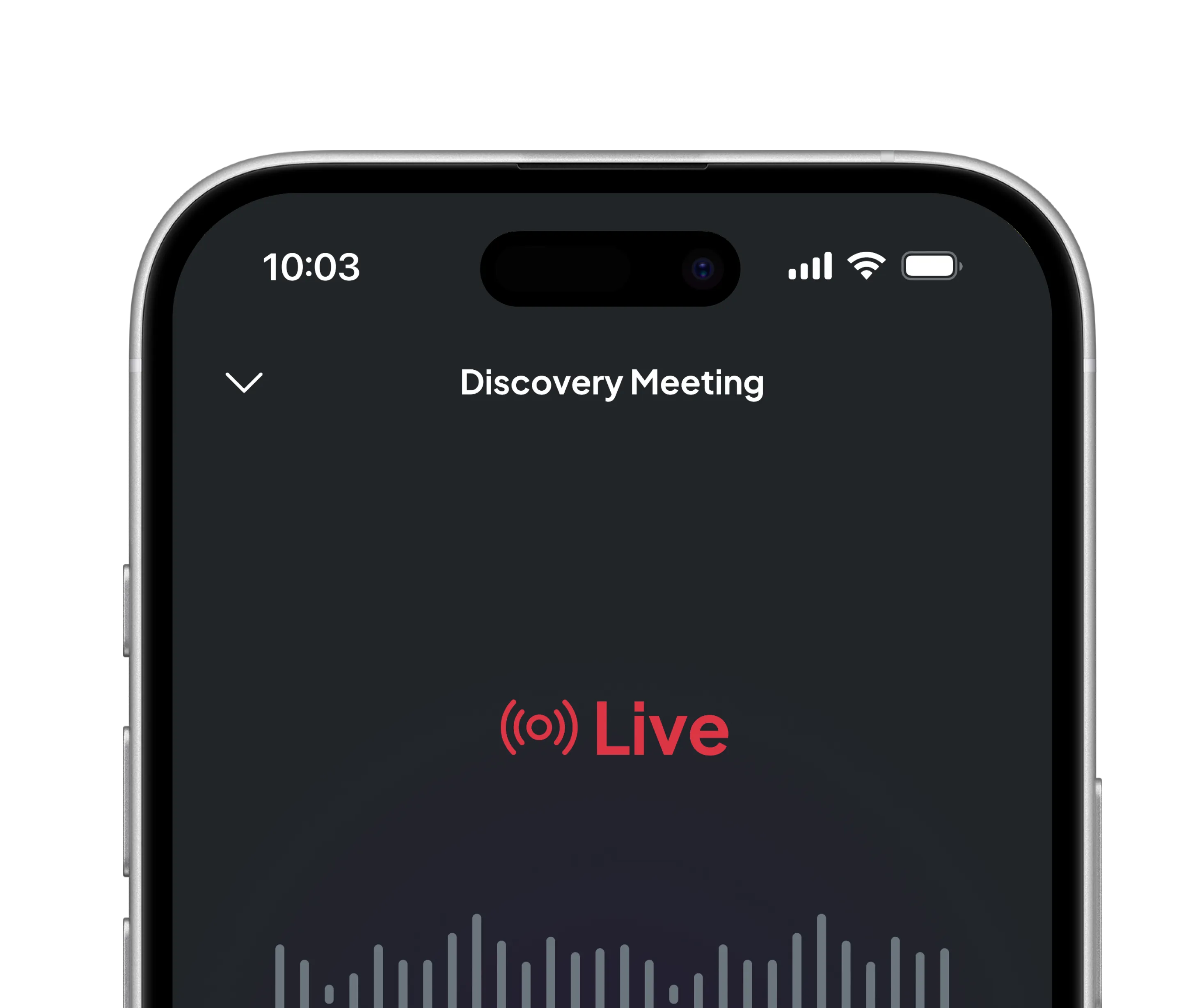
AI assistants like Zocks capture client conversation data, structure it into a formatted summary, extract key details like coverage goals, beneficiary names, health disclosures, and objections, and sync relevant fields directly to your CRM and other connected systems. The record reflects what was actually said.
Zocks also does not record meetings at all. This helps you avoid the headache of recordkeeping requirements, regardless of your state.
Read more: AI transcription tools vs. AI meeting assistants
4. Personalized Proposal and Follow-Up Drafting
After discovery, the follow-up has to reference what the client actually said. Things like their income concerns, the specific beneficiary they mentioned, and the timeline they gave you.
Tools like the Zocks MCP connect client intelligence directly to general-purpose AI tools like Claude and ChatGPT, letting you draft personalized, on-brand proposals backed by actual client data. It also connects AI-generated insights to carrier quoting systems for faster proposal generation as part of a complete post-meeting workflow.
5. Automated Form-Fills
Clean submissions mean fewer underwriting delays and faster policy issuance. AI tools like Zocks capture household, financial, and life details from the discovery meeting and automatically complete carrier applications, fact finders, and intake forms. This reduces time spent on administrative tasks.
Still contemplating why you need to incorporate AI into your workflow? See why AI matters for financial advisors.
AI Tools Life Insurance Agents Are Actually Using
The best tool depends on which part of the sales process needs the most support first.
- Lead response and outreach. AgencyZoom and Agent CRM are built for insurance agencies with AI-assisted sequences, booking, and lead routing out of the box. HubSpot and Salesforce Financial Services Cloud handle this, too, but require more configuration for insurance-specific workflows.
- Sales intelligence. Gong and Chorus.ai connect conversation intelligence data to sales coaching for faster rep skill development and provide real-time sales performance analytics across the agent team and pipeline levels.
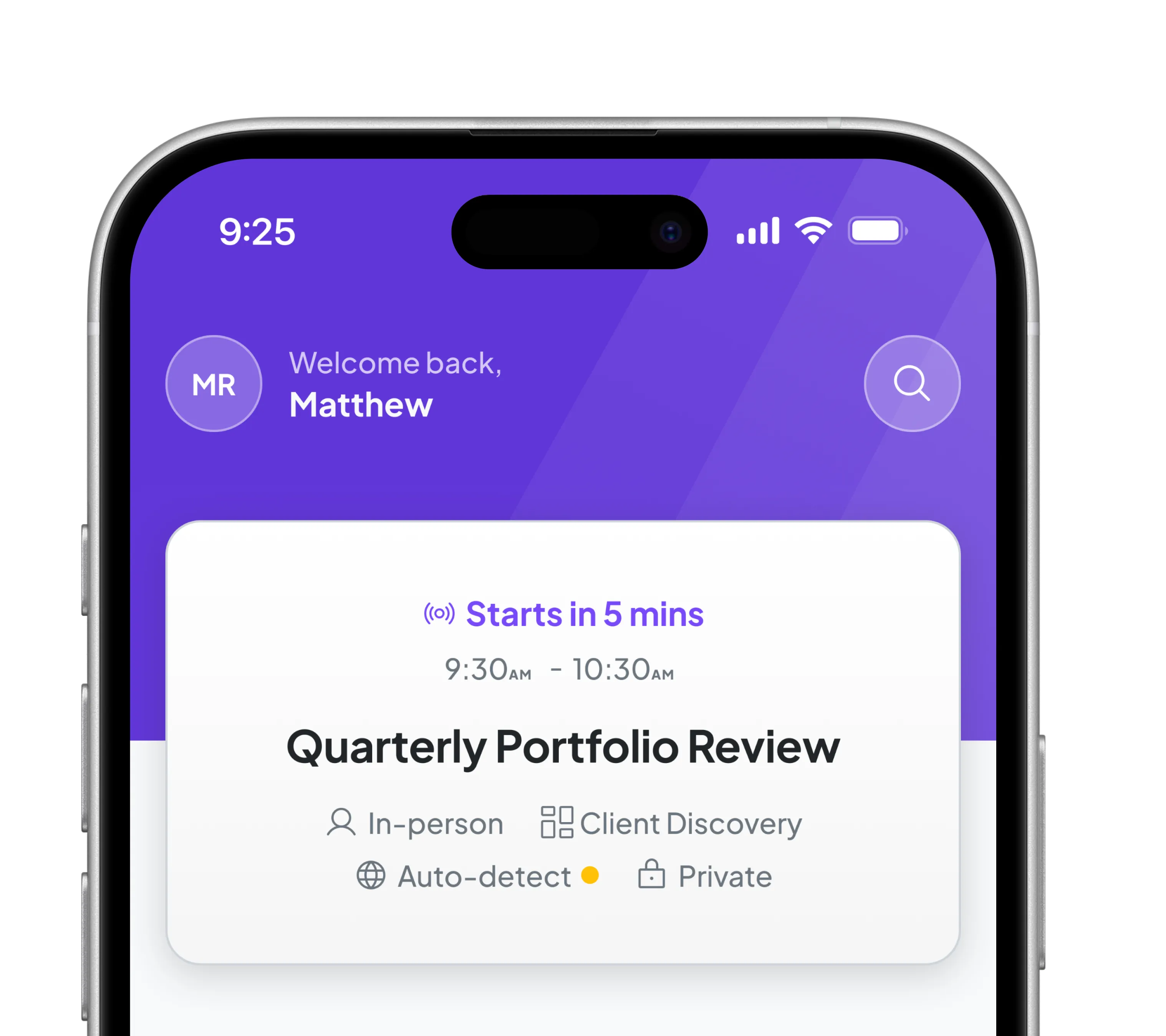
- AI assistants. This is the tool between the client conversation and the systems of record. Zocks handles virtual meetings, in-person calls, and phone calls, and automatically pushes everything straight to your CRM and other connected systems.
- Follow-up emails. After every meeting, Zocks drafts a personalized recap using your actual conversation data, CRM history, and client profile. You review, edit, and send.
- Proposal narratives. Zocks MCP lets you pipe structured client data directly into ChatGPT to generate proposal drafts built around real goals and financials.
- Automated form-fills. Zocks can also pull data directly from conversations and sync it into carrier applications. They also segment your existing client base to identify cross-sell and upsell life insurance opportunities through automated review triggers.
The Compliance Line: What AI Can and Can't Do
Like any other tech, there are compliance guardrails to follow to protect yourself and your client. AI handles automation, you handle advice. Suitability, recommendations, and the advice itself remain your responsibility. Make sure to review every AI output as well.
Also, check laws regarding recording consent in your state and your clients' states. Federal law requires one-party consent for recording. Many states require all-party consent. A no-recording AI tool like Zocks sidesteps this issue entirely.
And if you’re sending automated messages, make sure to have an opt-out option for TCPA compliance.
Read more: How AI saves financial advisors 10 hours per week
How to Start without Disrupting What's Working
Most agents who struggle with AI try to automate everything at once. Start with the follow-up gap first.
Set up a five-touch automated sequence for new leads in your CRM. Run it for 30 days, track response rates and close rates, and let it stabilize before you touch anything else.
Add discovery capture second. Bring in an AI assistant for your discovery calls. Give it another 30 days and watch what happens to your proposal quality and clean submission rate.
Lastly, add post-meeting execution. This goes beyond drafting emails. Tools like Zocks automatically capture everything said in your discovery calls, generate compliant meeting summaries, sync notes directly to your CRM and structured data to your other systems, and draft tailored follow-up emails, so nothing falls through the cracks after the meeting ends.
Start your free trial with Zocks today.
Frequently Asked Questions
Can AI actually help me place more life insurance policies?
Yes. AI can help you place more life insurance policies by contacting high-probability leads first, automatically following up, and ensuring discovery conversations convert directly into completed applications much faster than manual processes. The agent builds the relationship and makes the recommendation. AI handles the mechanics around it.
What is the most valuable AI tool for an independent life insurance agent?
The most valuable AI tool depends on where you're losing business. If leads go cold before follow-up, the most valuable tool is a CRM automation tool like AgencyZoom and Agent CRM. If momentum dies between the discovery meeting and policy issuance, the most valuable tool is an AI assistant like Zocks.
Is it legal to use AI to record client meetings for insurance sales?
It depends on your state. Federal law requires one-party consent to record, but several states require all-party consent, in which every participant must agree before recording begins. Verify requirements in both your state and your client's state. A tool like Zocks sidesteps this issue by never actually recording your conversations.
Do AI tools work for final expense and term life, or just high-end products?
AI tools work across all product lines, but the use cases differ by workflow. For final expense and term life agents working high-volume lead lists, speed-to-lead automation and follow-up sequencing deliver the most impact. For complex cases such as universal life, whole life, and estate planning, prioritize capturing discovery conversations and drafting personalized proposals.
Will clients be uncomfortable if I use AI in our meetings?
Most clients are okay with AI-assisted note-taking when you disclose it upfront. At the start of the meeting, mention that you use an AI assistant to capture notes. For clients who prefer no AI note capture, a non-recording tool lets you process notes manually after the meeting, without transmitting any video or audio.
Ask AI About this Topic
ChatGPT | Claude | Perplexity | Grok | Google AI Mode
Related blogs

Get started for free in less than 10 minutes